The Forex Trading Manual- The Rules Based Approach To Making Money Trading Currencies.pdf -
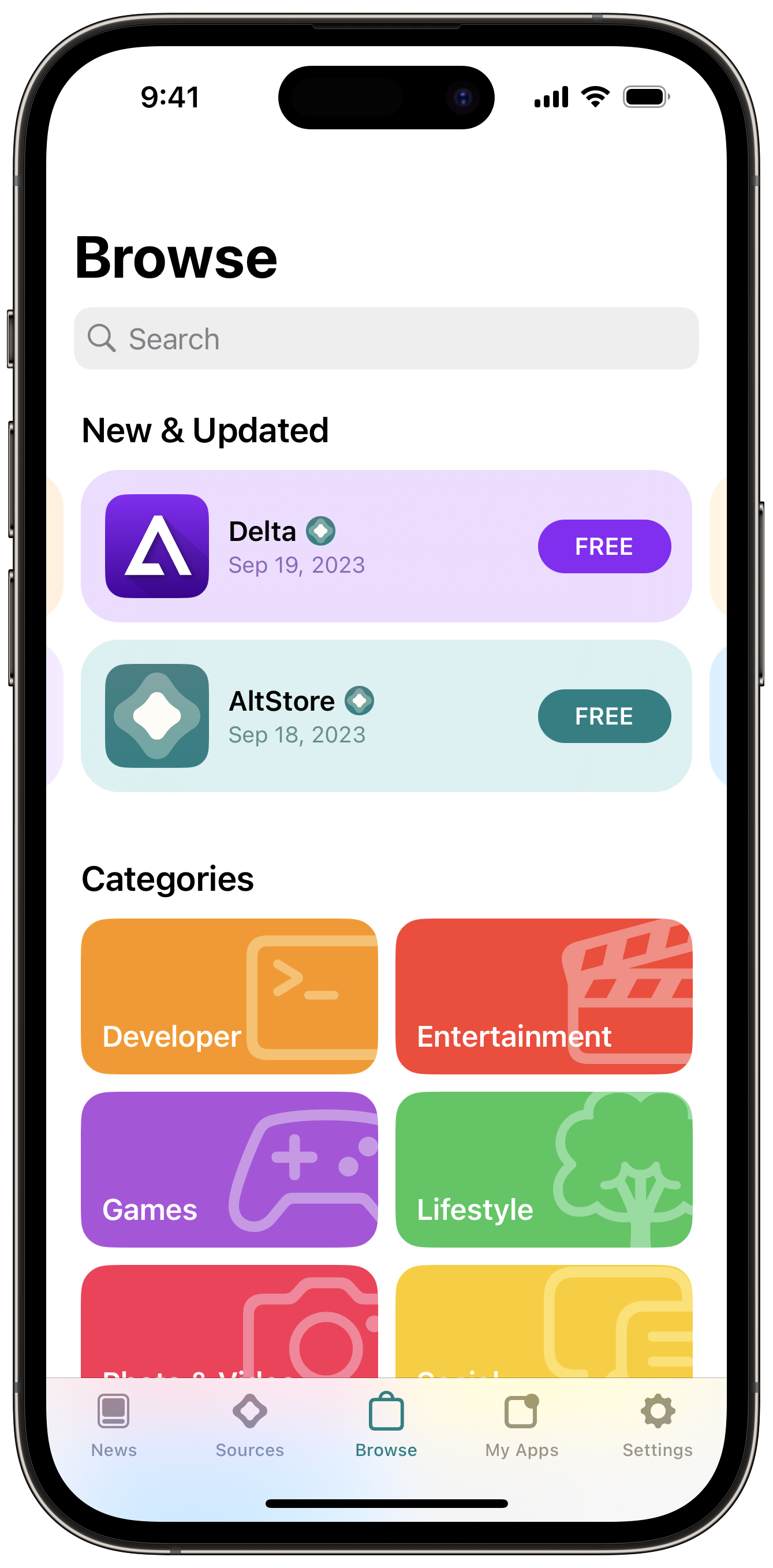
Discover apps that push the boundaries of iOS.
The Forex Trading Manual- The Rules Based Approach To Making Money Trading Currencies.pdf -
| Limitation | Description | |------------|-------------| | | A rules-based system profitable in a trending market may fail catastrophically in a range-bound or flash-crash regime. | | Over-optimization (curve fitting) | Excessive rule refinement on historical data produces non-robust systems that fail forward. | | Execution lag & slippage | Mechanical rules cannot account for variable fills, especially during news spikes. | | Emotional non-compliance | Traders often override rules after a drawdown, nullifying the system's edge. | 7. Conclusion The Forex Trading Manual presents a coherent, disciplined alternative to discretionary gambling. Its rules-based approach is statistically and psychologically superior to intuitive trading, provided the trader commits to mechanical execution and periodic regime-based adjustments. However, no rule set is perpetual; profitability requires ongoing monitoring of market structure and systematic parameter adaptation. The manual’s ultimate contribution is shifting the trader’s focus from being right to following the process —the only verifiable edge in forex.
[Generated for academic purposes] Date: April 17, 2026 Abstract This paper examines the core tenets of The Forex Trading Manual: The Rules-Based Approach to Making Money Trading Currencies , a guide advocating for the elimination of discretionary decision-making in retail forex trading. The manual posits that emotional and cognitive biases are the primary drivers of trading losses, and that a codified, rules-based system (RBS) offers a verifiable path to long-term profitability. The paper analyzes the key components of such a system—entry triggers, risk management protocols, trade filters, and performance metrics—and evaluates the psychological and statistical advantages of mechanistic rule adherence. Empirical evidence from behavioral finance is applied to validate the manual’s claims. The conclusion assesses both the strengths (consistency, backtestability) and limitations (regime dependency, over-optimization) of a strict rules-based approach in dynamic currency markets. 1. Introduction Retail forex trading is characterized by high leverage, low barriers to entry, and a reputation for rapid capital loss. Industry data suggests that over 70% of retail forex traders lose money consistently (ESMA, 2018). The Forex Trading Manual attributes this failure not to a lack of market knowledge, but to a deficit of process . The manual’s central thesis is that successful speculation is not about predicting price direction, but about following a pre-defined, backtested set of rules that manage risk and exploit statistical edges. | | Emotional non-compliance | Traders often override
A Rules-Based Framework for Consistent Profitability in Forex Markets: Analysis of a Systematic Trading Manual but about following a pre-defined
| Limitation | Description | |------------|-------------| | | A rules-based system profitable in a trending market may fail catastrophically in a range-bound or flash-crash regime. | | Over-optimization (curve fitting) | Excessive rule refinement on historical data produces non-robust systems that fail forward. | | Execution lag & slippage | Mechanical rules cannot account for variable fills, especially during news spikes. | | Emotional non-compliance | Traders often override rules after a drawdown, nullifying the system's edge. | 7. Conclusion The Forex Trading Manual presents a coherent, disciplined alternative to discretionary gambling. Its rules-based approach is statistically and psychologically superior to intuitive trading, provided the trader commits to mechanical execution and periodic regime-based adjustments. However, no rule set is perpetual; profitability requires ongoing monitoring of market structure and systematic parameter adaptation. The manual’s ultimate contribution is shifting the trader’s focus from being right to following the process —the only verifiable edge in forex.
[Generated for academic purposes] Date: April 17, 2026 Abstract This paper examines the core tenets of The Forex Trading Manual: The Rules-Based Approach to Making Money Trading Currencies , a guide advocating for the elimination of discretionary decision-making in retail forex trading. The manual posits that emotional and cognitive biases are the primary drivers of trading losses, and that a codified, rules-based system (RBS) offers a verifiable path to long-term profitability. The paper analyzes the key components of such a system—entry triggers, risk management protocols, trade filters, and performance metrics—and evaluates the psychological and statistical advantages of mechanistic rule adherence. Empirical evidence from behavioral finance is applied to validate the manual’s claims. The conclusion assesses both the strengths (consistency, backtestability) and limitations (regime dependency, over-optimization) of a strict rules-based approach in dynamic currency markets. 1. Introduction Retail forex trading is characterized by high leverage, low barriers to entry, and a reputation for rapid capital loss. Industry data suggests that over 70% of retail forex traders lose money consistently (ESMA, 2018). The Forex Trading Manual attributes this failure not to a lack of market knowledge, but to a deficit of process . The manual’s central thesis is that successful speculation is not about predicting price direction, but about following a pre-defined, backtested set of rules that manage risk and exploit statistical edges.
A Rules-Based Framework for Consistent Profitability in Forex Markets: Analysis of a Systematic Trading Manual

The Forex Trading Manual- The Rules Based Approach To Making Money Trading Currencies.pdf -
Anyone can distribute their apps with AltStore. All you need is to make a “source”, which you can do by hosting a text file with basic information about your apps. Users can then enter your source URL in AltStore and your apps will automatically appear.
Follow our complete guide to create your own source and start distributing your apps in minutes!
Publish Apps
The Forex Trading Manual- The Rules Based Approach To Making Money Trading Currencies.pdf -
AltStore is an open-source project developed by a small, dedicated team, and you can follow along with our progress on GitHub.
We’re continuously working on new updates for our apps, and you can try out in-development features by joining our Patreon.
Join Patreon
The Forex Trading Manual- The Rules Based Approach To Making Money Trading Currencies.pdf -
AltStore, Delta, and Clip are properties of AltStore LLC and are in no way associated with Nintendo Co., Ltd. or Apple Inc.
AltStore Classic
Requires AltServer to install. Follow our step-by-step
Install Guide
“[AltStore] is clever, has been verified by other developers, and the service has an active community of thousands of users who side-load apps on their devices. For the past few weeks, I’ve been one of them.”
The Forex Trading Manual- The Rules Based Approach To Making Money Trading Currencies.pdf -
AltStore allows apps to exist on iOS that may not otherwise.
Apple doesn't allow all apps on their store, so AltStore gives those apps a chance.