The images often depict scenes of everyday life, such as women bathing, couples embracing, and men and women engaged in various activities. However, these scenes are often infused with a sense of mythology and folklore, featuring characters from Serbian mythology and folklore.
Characteristics of Srpske Kurvice Slike
The images have also sparked controversy and debate, with some critics accusing them of being pornographic or exploitative. However, proponents of srpske kurvice slike argue that they are an important part of Serbian cultural heritage, and that they offer a unique perspective on the human experience. srpske kurvice slike
If you’re interested in learning more about srpske kurvice slike, there are many resources available online and in museums and galleries. You can also explore the work of Serbian artists who are continuing to push the boundaries of this unique and fascinating style.
Impact of Srpske Kurvice Slike
The origins of srpske kurvice slike can be traced back to the early 20th century, when Serbian artists began experimenting with new forms of expression. During this period, the country was undergoing significant social and cultural changes, and artists sought to reflect these changes in their work.
Srpske kurvice slike, which translates to “Serbian erotic pictures” or “Serbian erotic art,” refers to a collection of images that showcase a unique blend of Serbian culture, art, and sensuality. These images have gained popularity worldwide for their distinct style, often depicting scenes of everyday life, mythology, and folklore with an erotic twist. The images often depict scenes of everyday life,
Srpske kurvice slike have had a significant impact on Serbian culture and art. They have helped to promote Serbian culture and art around the world, and have inspired a new generation of artists to explore themes of sensuality and eroticism in their work.
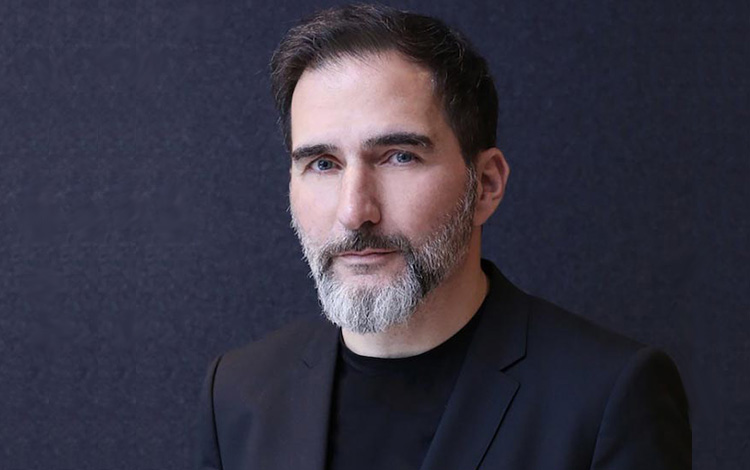
Cohn+Duprat
Luego de cinco años en México como Head of Fiction de Fremantle Latinoamérica, Manuel Martí regresó a Buenos Aires en 2025 como productor ejecutivo en Cohn+Duprat en el desarrollo de series y películas. El ejecutivo construyó gran parte de su carrera como director de Desarrollo y Producción Internacional de Polka, empresa en la que trabajó desde 2014. Bajo su cargo se hicieron producciones como Signos y El jardín de bronce, entre otras. Martí también trabajó en Turner durante ocho años en el área de Producción. Anteriormente fue director de La Produ y director creativo de Rock & Pop TV.
