 |
|
   |
|
|
அகல் விளக்கு (www.agalvilakku.com) - தற்போதைய வெளியீடு :
திண்டுக்கல் பாதாள செம்பு முருகன் கோவில் |
சென்னை நெட்வொர்க் (www.chennainetwork.com) - தற்போதைய வெளியீடு :
காகம் (Crow) |
தேவிஸ் கார்னர் (www.deviscorner.com) - தற்போதைய வெளியீடு : அத்திப் பழம் - Fig |
தமிழ் திரை உலகம் (www.tamilthiraiulagam.com) - தற்போதைய வெளியீடு :
எண்ணி இருந்தது ஈடேற - அந்த 7 நாட்கள் (1981) |
Research has shown that the brain’s amygdala, a small almond-shaped structure located in the temporal lobe, plays a critical role in the processing and storage of emotional memories, including those related to traumatic events. The amygdala is responsible for associating certain stimuli with emotional responses, such as fear or anxiety, and can store these associations in a way that allows for rapid recall.
Searching for Memories of Murder in the Human Mind**
While the brain’s ability to store traumatic memories is well-documented, retrieving these memories can be a complex and challenging process. In some cases, individuals may experience complete memory loss or dissociation from the traumatic event, making it difficult to recall even the most basic details.
வீடியோ வெளியீடுகள் |
|
Research has shown that the brain’s amygdala, a small almond-shaped structure located in the temporal lobe, plays a critical role in the processing and storage of emotional memories, including those related to traumatic events. The amygdala is responsible for associating certain stimuli with emotional responses, such as fear or anxiety, and can store these associations in a way that allows for rapid recall.
Searching for Memories of Murder in the Human Mind**
While the brain’s ability to store traumatic memories is well-documented, retrieving these memories can be a complex and challenging process. In some cases, individuals may experience complete memory loss or dissociation from the traumatic event, making it difficult to recall even the most basic details.
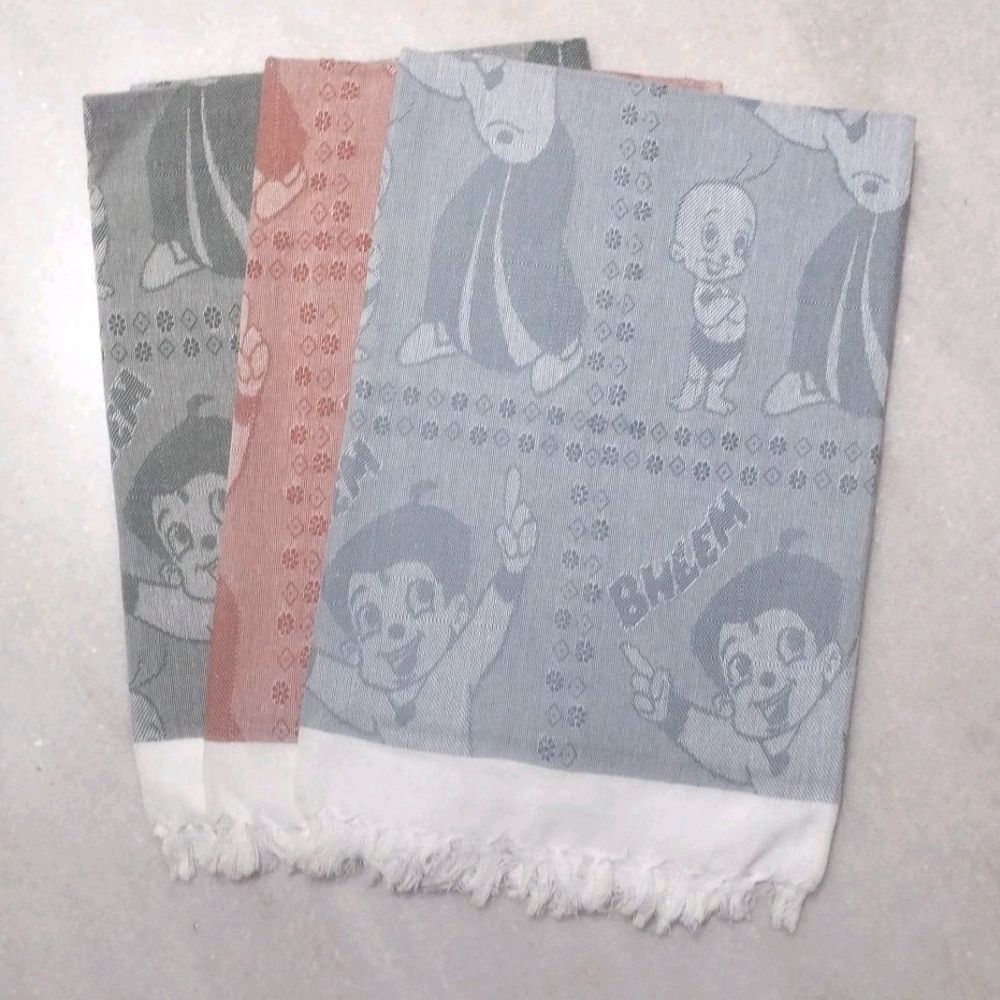
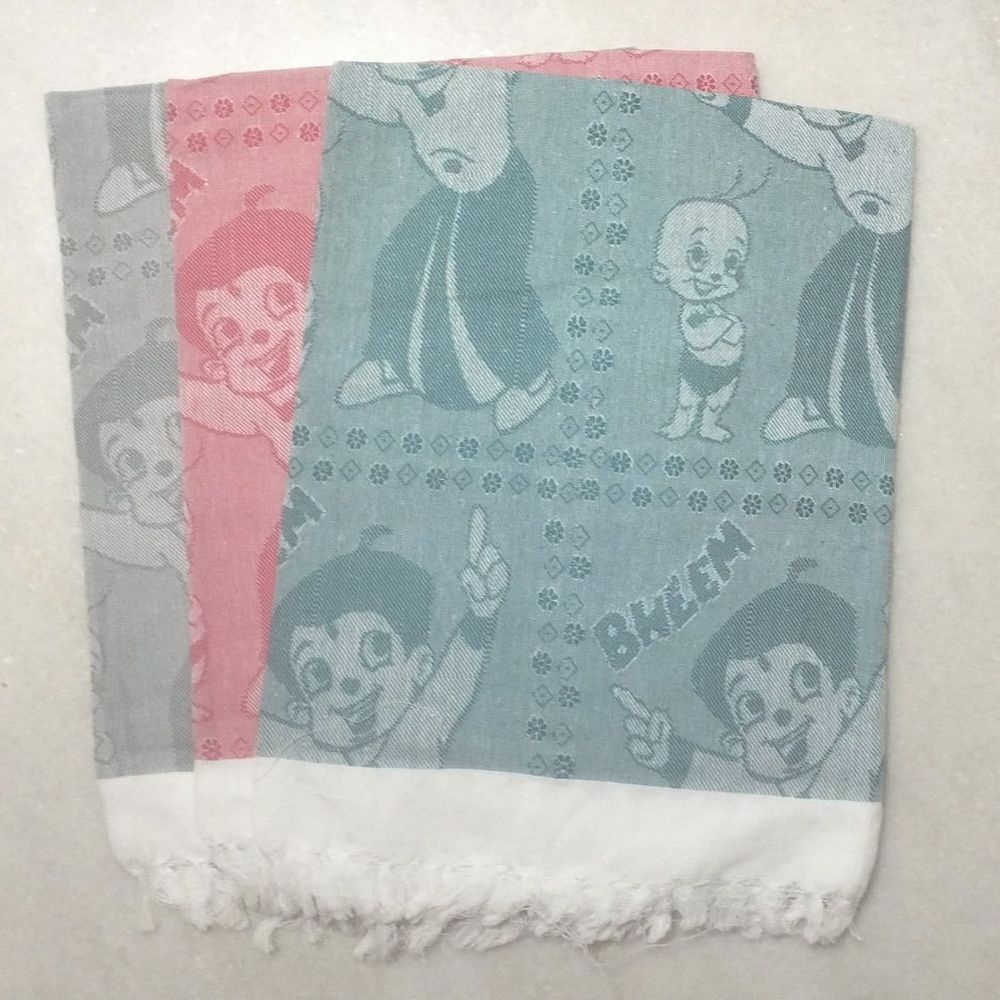
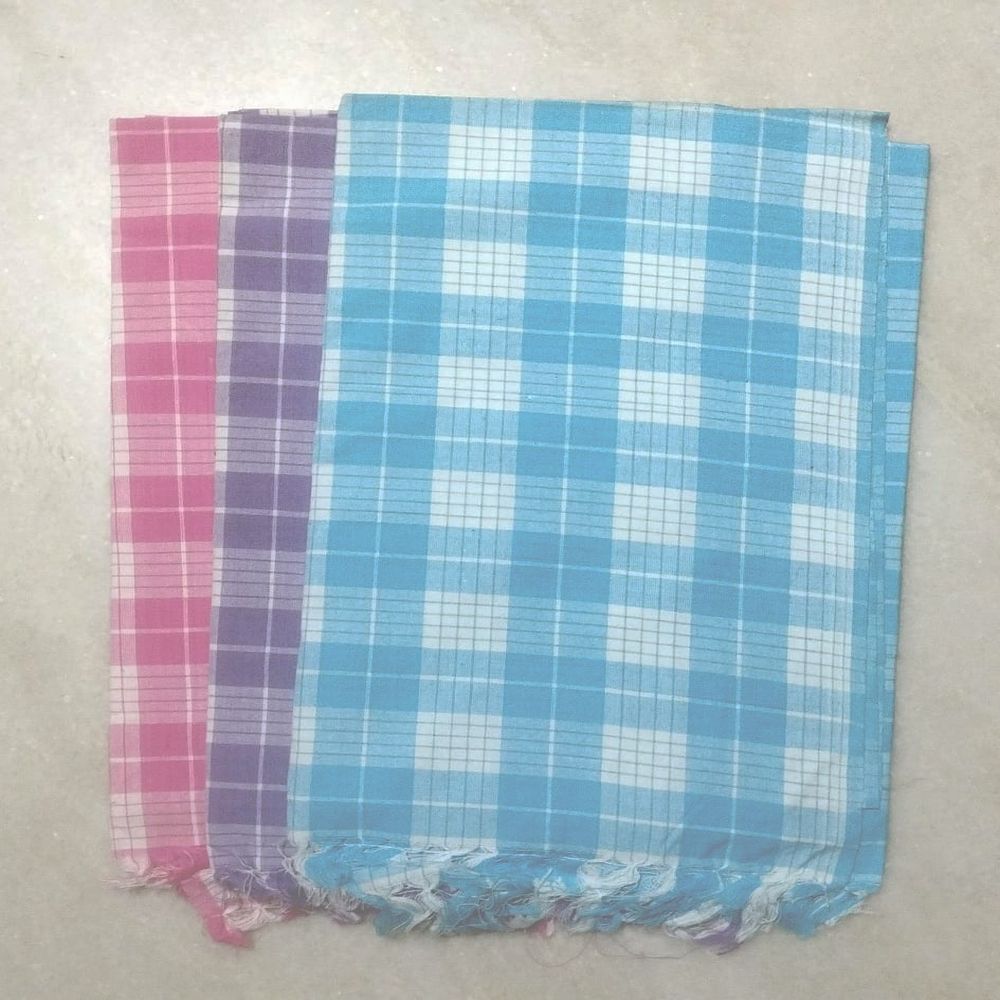
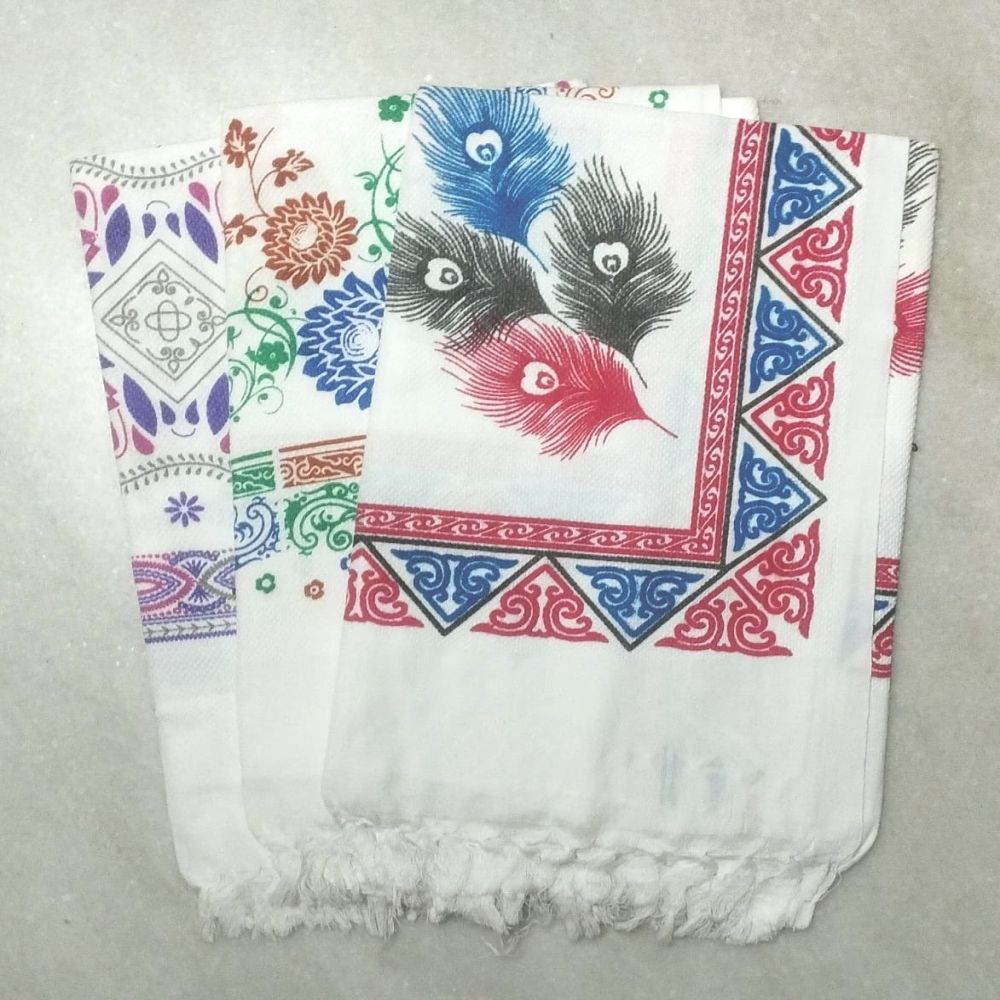
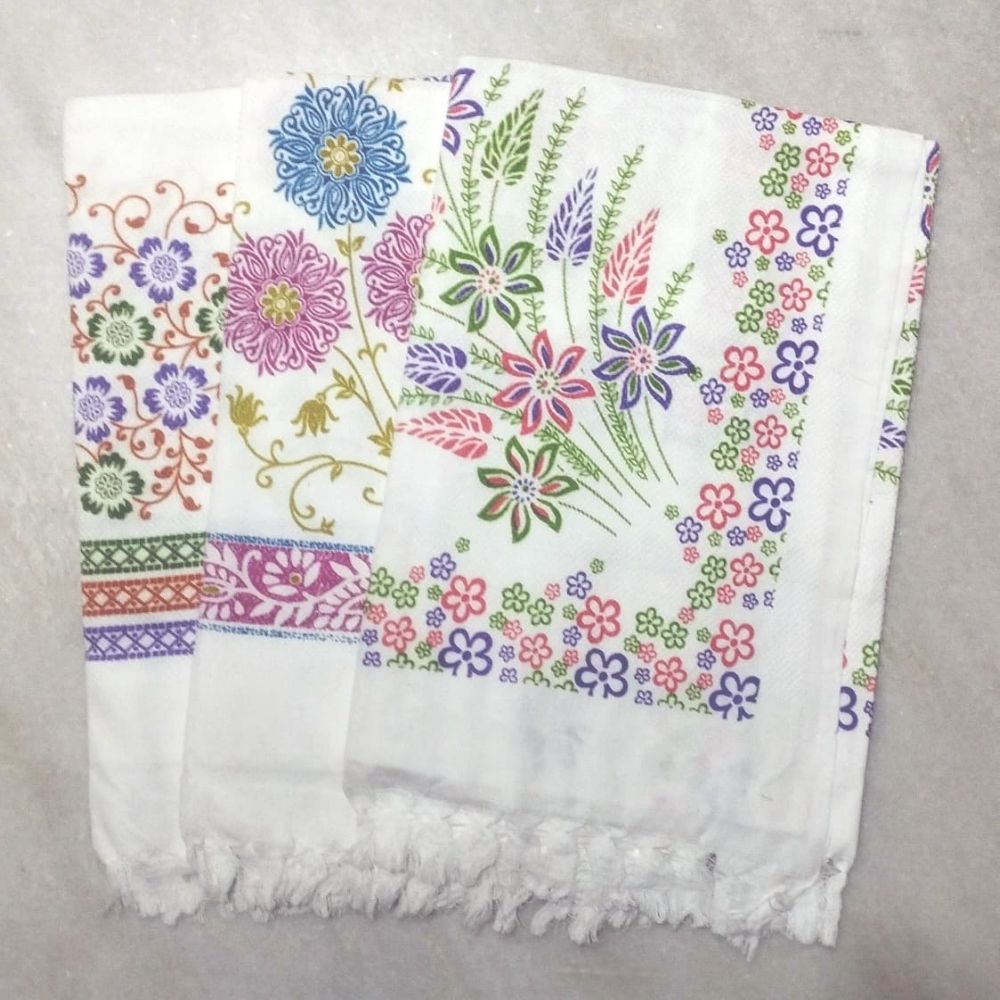
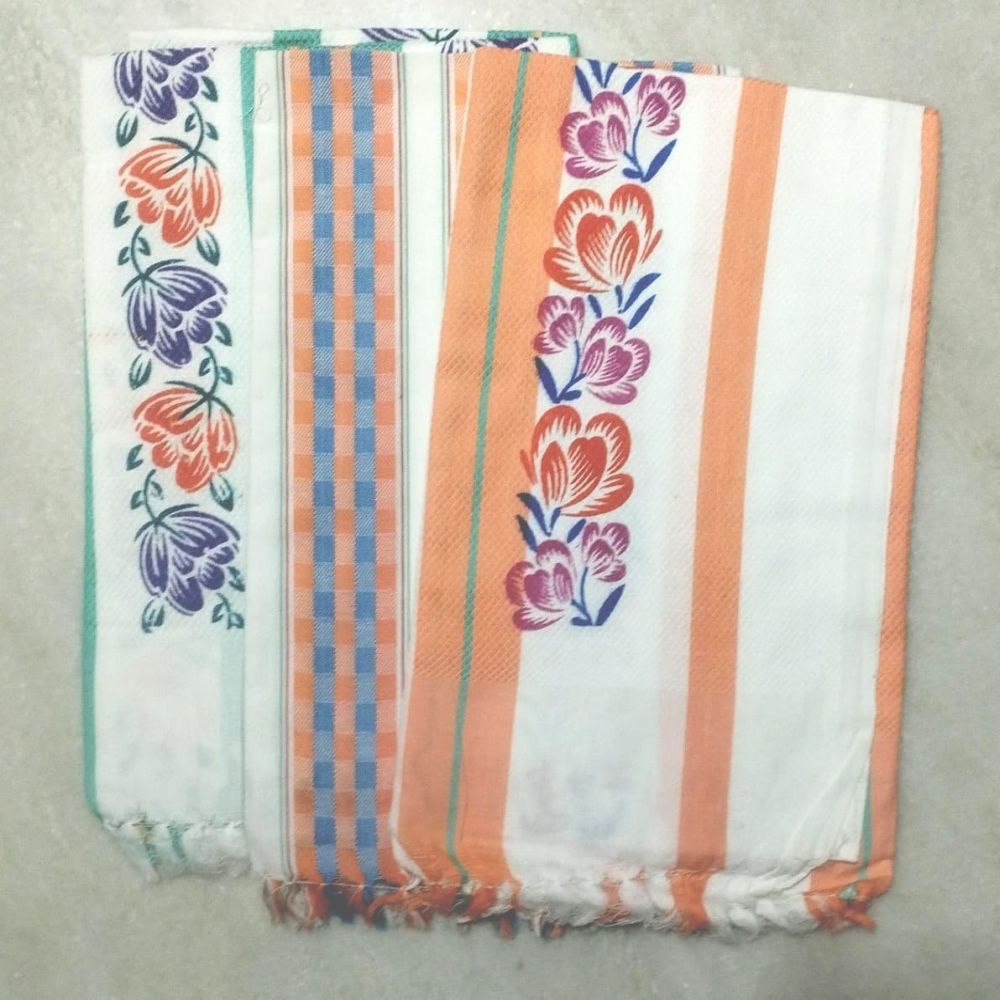
Cotton Bath Towels (Dharanish Mart - www.dharanishmart.com)
Set of 3 Towels | Big Size 29 x 55 Inch (73 x 139 cm) | MRP: Rs. 333/- | Discount Price: Rs. 300/- | Shipping: Free | Total Rs. 300/-
|
|
|
To Order: whatsapp: 9444086888 | To Pay: GPAY/ UPI Id: dharanishmart@cub
|
தரணிஷ்மார்ட் - www.dharanishmart.com (அனைத்து பதிப்பக நூல்கள் 10% தள்ளுபடியுடன்) |
|
GPay / UPI ID: dharanishmart@cub | பேசி: +91-9444086888 (Whatsapp)
|
© 2025 தமிழ்திரைஉலகம்.காம் | எங்களைப் பற்றி | தொடர்புக்கு | பொறுப்பாகாமை அறிவிப்பு | ரகசிய காப்பு கொள்கை |