Esx.problem.vmfs.heartbeat.timedout _best_ Online
Join the 4m players who have used the Aiming.Pro aim trainer to practice, train and improve their FPS aim skills
Start Aim Training





Join the 4m players who have used the Aiming.Pro aim trainer to practice, train and improve their FPS aim skills
Start Aim Training
When a VM is running on a VMFS datastore, the ESX host periodically sends a heartbeat signal to the VM to ensure it’s still active and running. If the ESX host doesn’t receive a response from the VM within a certain time frame (typically 10-15 seconds), it assumes the VM is no longer responding and generates the “esx.problem.vmfs.heartbeat.timedout” error.
The “esx.problem.vmfs.heartbeat.timedout” error occurs when the ESX host is unable to receive a heartbeat signal from a virtual machine within a specified time frame. This heartbeat signal is a critical component of VMware’s VMFS (Virtual Machine File System) technology, which enables multiple ESX hosts to access and share VM files.
The “esx.problem.vmfs.heartbeat.timedout” error is a common issue that can occur in VMware ESX environments, causing significant disruptions to virtual machine (VM) operations. In this article, we’ll delve into the causes, symptoms, and solutions for this error, providing you with a comprehensive guide to troubleshooting and resolving the issue.
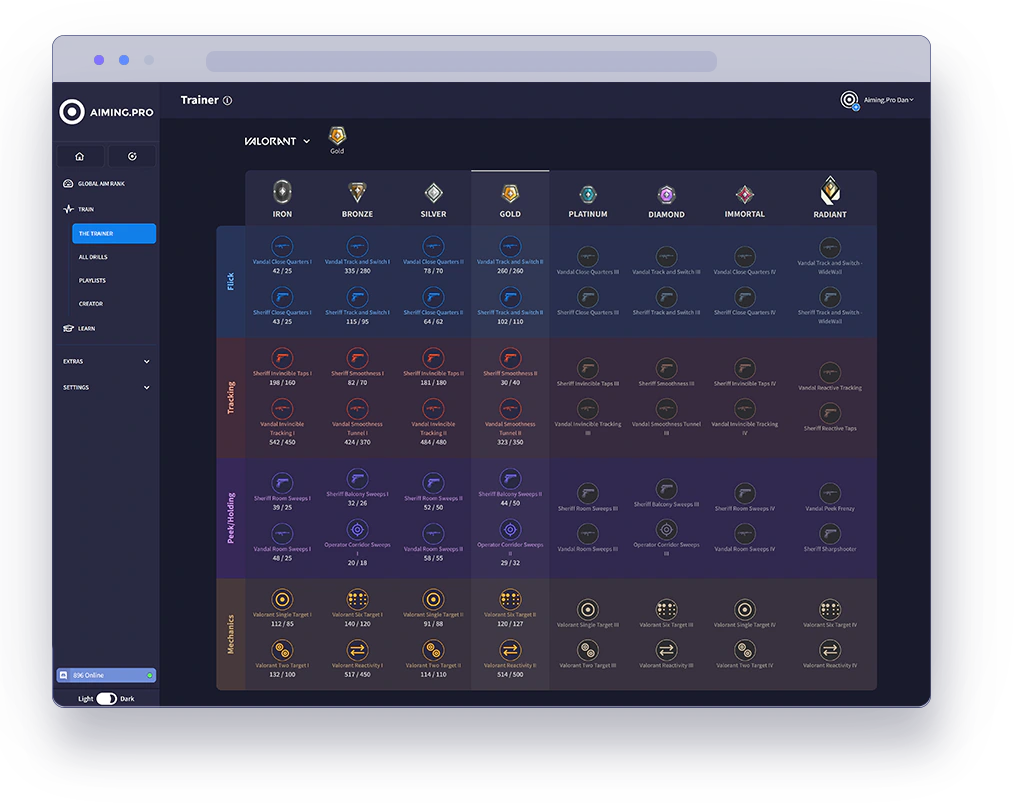
The Trainer is the best way to rank up in specific
FPS games using our aim trainer.
Our pros have analysed each game’s core concept
to carefully select drills that optimise your aim in the
areas that count. Hit the target goal in each level
and keep moving forwards to join the elite ranks of
Valorant, Apex, CSGO and COD.
Start your journey with The Trainer now
to unleash your full gaming potential.





See how you stack up against millions of players in our global community. Getting ranked lets you compete in our latest season of drills and weekly challenges.
Rank your aim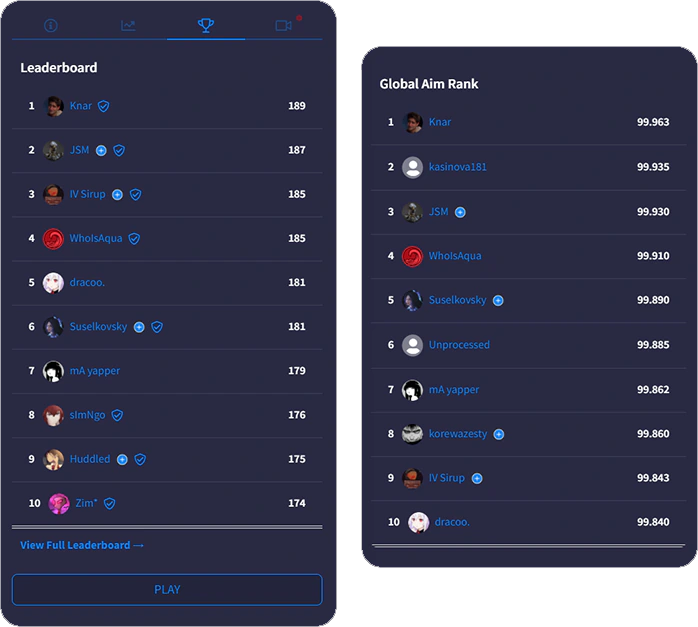
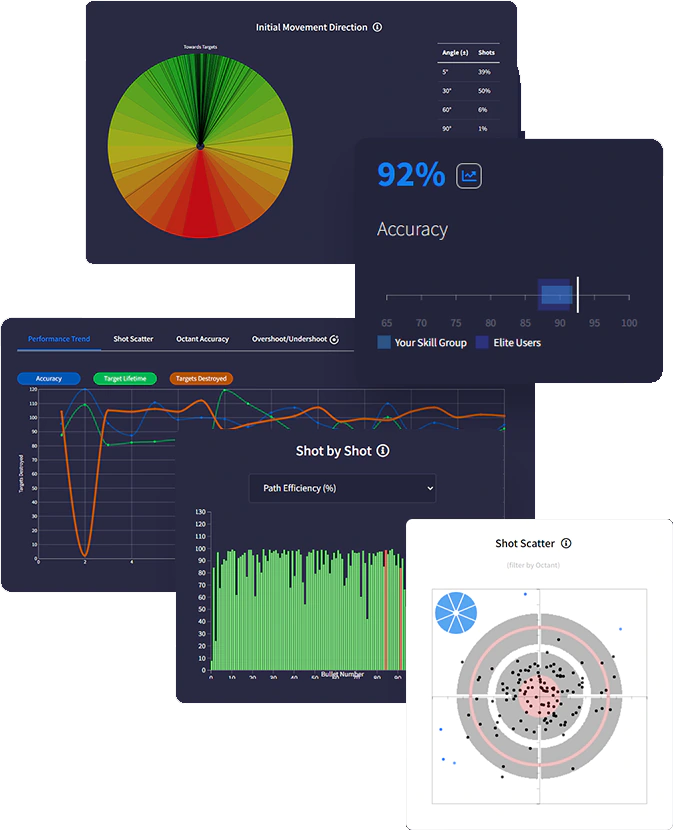
Get a deeper understanding of your performance with
with advanced data tracking. Discover insights that
uncover your strengths & weaknesses so you know
exactly how to optimise using actionable feedback.
Track everything after each drill with tons of metrics
measuring accuracy, reaction times, mouse speed,
move angles and more - the most in-depth analytics
ever built in an aim trainer.
Intelligently predict effective routines on evaluation of
your stats and trends. Analysing performance data
gives personalised feedback recommending skill areas for optimisation.
We support total synchronicity with all favourite FPS games. Our mouse sensitivity, FOV conversion, weapons and ADS variability accurately match real gaming physics ensuring all your aim gains translate into actual improved gameplay.

Sync sensitivity settings
to all FPS games esx.problem.vmfs.heartbeat.timedout

Adjust FOV to match
in-game preferences

Recreate ADS zoom &
sensitivity for every scope When a VM is running on a VMFS

Match weapon parameters
including rate of fire This heartbeat signal is a critical component of

Customise crosshair, hit
markers, textures & targets

Add your own sounds for
shots, hits, spawn & more
When a VM is running on a VMFS datastore, the ESX host periodically sends a heartbeat signal to the VM to ensure it’s still active and running. If the ESX host doesn’t receive a response from the VM within a certain time frame (typically 10-15 seconds), it assumes the VM is no longer responding and generates the “esx.problem.vmfs.heartbeat.timedout” error.
The “esx.problem.vmfs.heartbeat.timedout” error occurs when the ESX host is unable to receive a heartbeat signal from a virtual machine within a specified time frame. This heartbeat signal is a critical component of VMware’s VMFS (Virtual Machine File System) technology, which enables multiple ESX hosts to access and share VM files.
The “esx.problem.vmfs.heartbeat.timedout” error is a common issue that can occur in VMware ESX environments, causing significant disruptions to virtual machine (VM) operations. In this article, we’ll delve into the causes, symptoms, and solutions for this error, providing you with a comprehensive guide to troubleshooting and resolving the issue.