Bhediya (2022): Deconstructing the Wolf-Man – An Eco-Horror Allegory of Identity, Otherness, and Arunachali Lore
[Generated/AI Analysis] Publication Date: [Current Date] Subject: Contemporary Hindi Cinema, Genre Studies, Environmental Humanities Abstract Bhediya , directed by Amar Kaushik and produced by Maddock Films, transcends the conventional tropes of the Hindi horror-comedy genre. While marketed as a creature-feature, the film operates as a sophisticated eco-horror narrative that uses the werewolf mythos to critique anthropogenic environmental destruction, cultural erasure of indigenous communities, and the internal psychological conflict of identity. This paper argues that Bhediya is a landmark film in Indian popular cinema for its integration of hyper-realistic VFX with a grounded social message, its respectful portrayal of the Nyishi tribe of Arunachal Pradesh Bhediya Movie Hindi
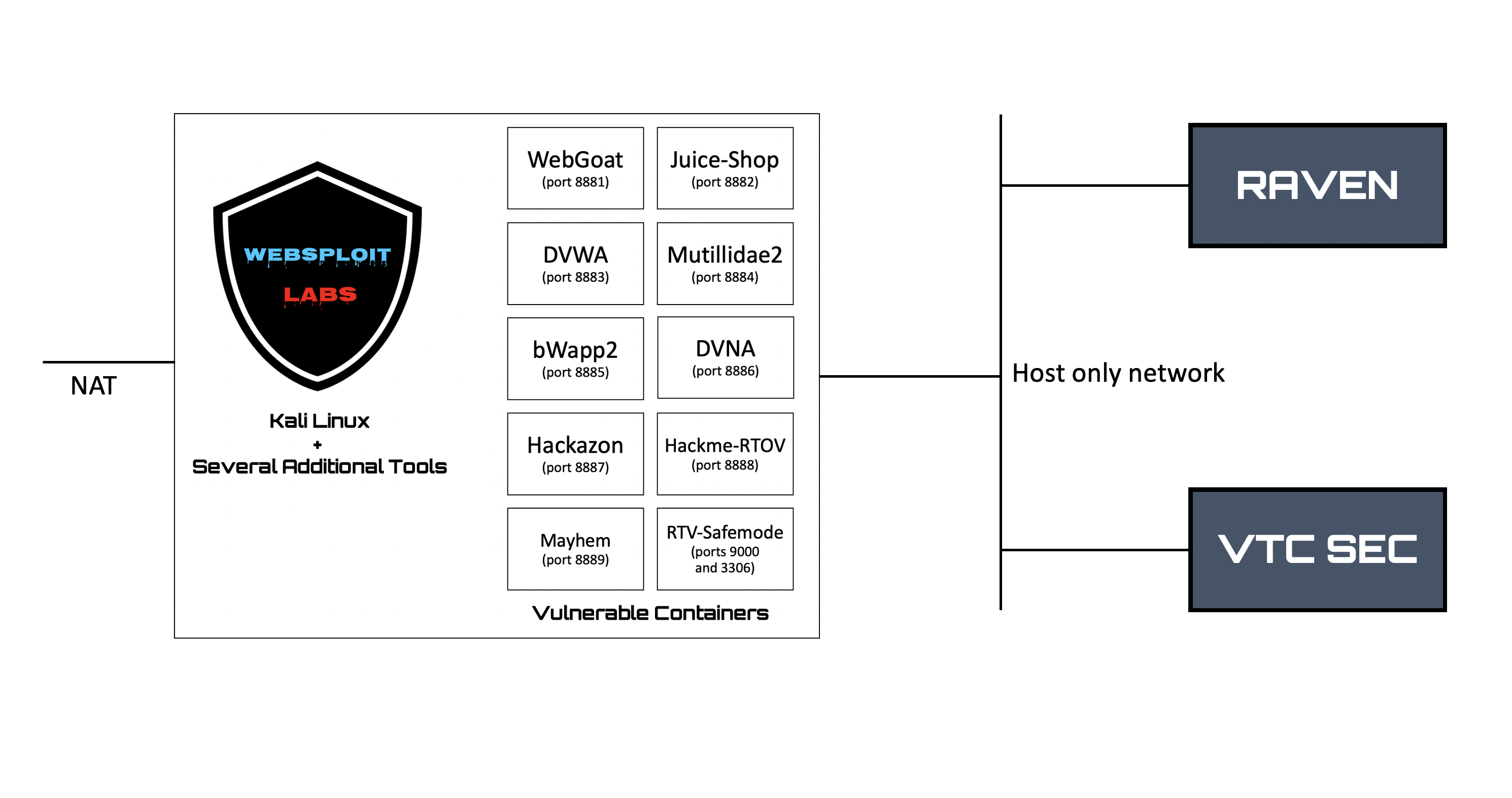
Kali + Additional Tools + Vulnerable Applications in Docker containers...
A vulnerable VM that you will use to perform a full assessment (from reconnassaince to full compromise)
Another vulnerable VM that you will use to perform a full assessment (from reconnassaince to full compromise)
This video explains how to setup the virtual machines in your system using Virtual Box.
The diagram below shows the lab architecture with WebSploit Full version, Raven, and VTCSEC. The VMs were created in Virtual Box. It is highly recommended that you use Virtual Box. However, if you are familiar with different virtualization platforms, you should be able to run the VMs in VMWare Workstation Pro (Windows), VMWare Fusion (Mac), or vSphere Hypervisor (free ESXi server).
You should create a VM-only network to deploy your vulnerable VMs and perform several of the attacks using WebSploit (Kali Linux), as shown in the video above. You can configure a separate network interface in your WebSploit VM to connect to the rest of your network and subsequently the Internet. Preferably, that interface should be in NAT mode.
Stay in Touch with Omar!